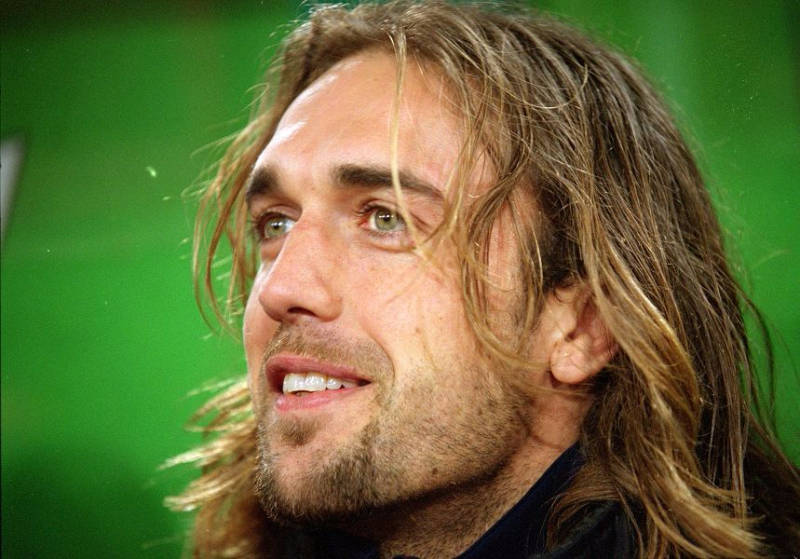

Gabriel Batistuta’s story unfolds: from dreamy scientist to deadly striker. Discover how Batigol became the most feared number 9 in world football.
Gabriel Batistuta was never destined to become a football icon. Yet, decades later, the Argentine striker stands as one of the most feared number 9s in history—often placed just behind Diego Maradona and Lionel Messi in debates about Argentina’s greatest players.
What sets Batistuta apart isn’t just his goals. It’s the way he scores them—powerful, precise, and inevitable.
Born on February 1, 1969, in Reconquista, Argentina, Batistuta’s path to football greatness began in an unusual way. As FIFA archives and historical records report, the man who would later be known as “Batigol” once dreamed of becoming a scientist. Football wasn’t even his first love—basketball was.
“I didn’t grow up thinking I was going to be a footballer. Life changed my path,” Batistuta once admitted.
The Moment That Changed Everything
Everything changed in 1978.
Argentina hosted—and won—the FIFA World Cup. For the young Batistuta, watching his country celebrate sparked something deeper than mere curiosity. It awakened his purpose.
Soon after, he joined a local football club. His talent quickly caught the eye, leading to a move to Newell’s Old Boys, where he made his professional debut under Marcelo Bielsa in 1988.
From there, his journey accelerated—brief spells at River Plate and Boca Juniors showed glimpses of the potential of a striker ready for the bigger stage.
Copa América Breakthrough and a Move to Europe
The turning point came at the 1991 Copa América in Chile.
Batistuta scored six goals, becoming the top scorer, and led Argentina to the title. Europe immediately took notice.
Shortly after, ACF Fiorentina secured his signature for €2.5 million—a relatively low price for a player who would soon dominate one of the toughest leagues in the world.
At the time, Serie A was the ultimate battleground for strikers.
And Batistuta thrived there.
Loyalty in Florence: The Creation of “Batigol”
In Florence, Batistuta didn’t just score goals—he built a legacy.
Although Fiorentina were relegated in 1993, he refused to leave. Instead, he stayed and helped the club return to Serie A under Claudio Ranieri.
That decision defined him.
“I had offers from Real Madrid, AC Milan, even Manchester United. But I felt at home in Florence,” Batistuta once said.
Back in Serie A, he exploded. In the 1994–95 season, he scored 26 goals, earning the nickname “Batigol”—a symbol of his pure attacking instinct.
For nearly a decade, he scored 203 goals in 331 appearances for Fiorentina. His strength, positioning, and lethal finishing made him one of the most complete strikers of his era.
The Final Step: Glory with AS Roma
But one thing was missing—trophies.
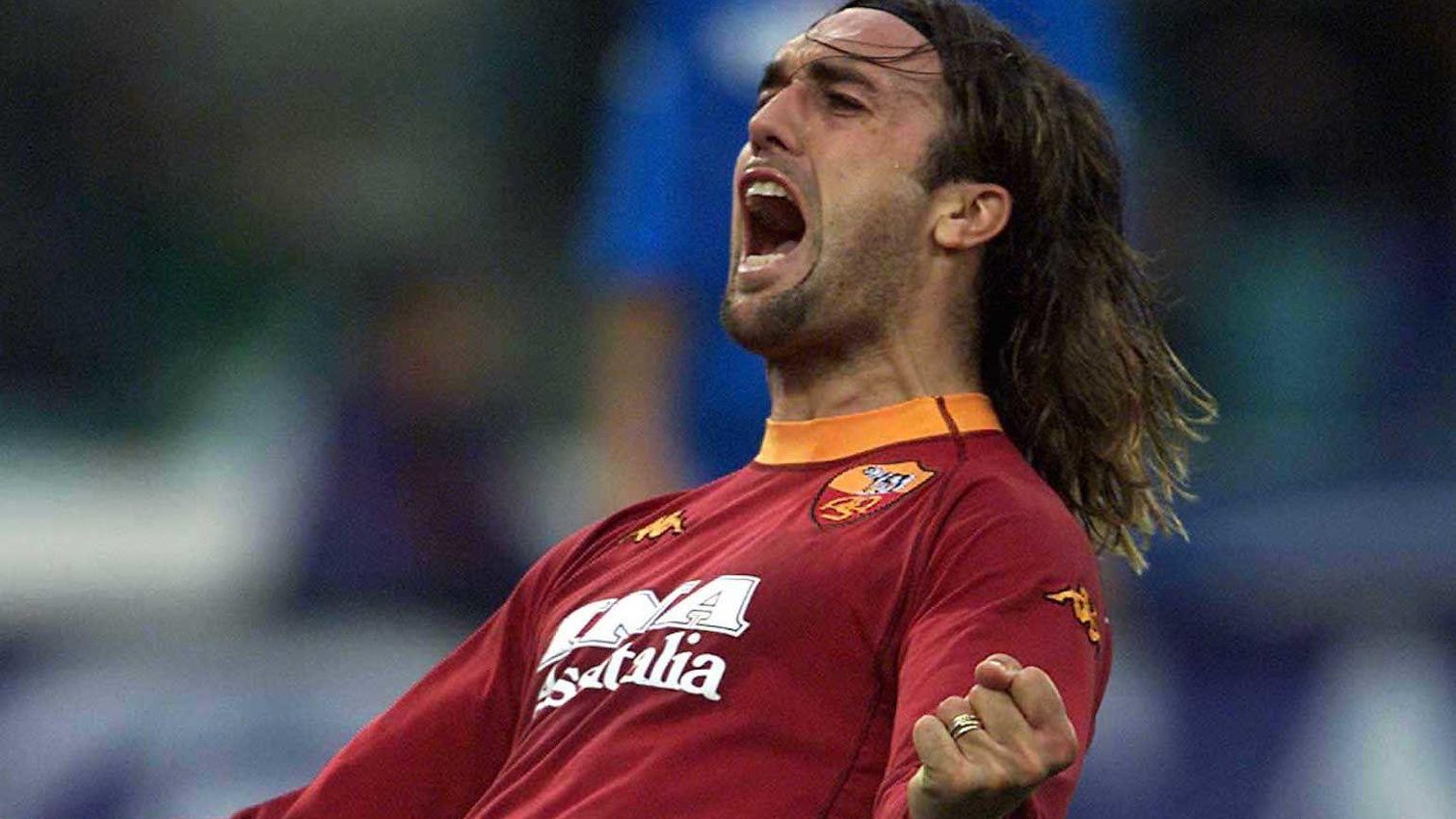
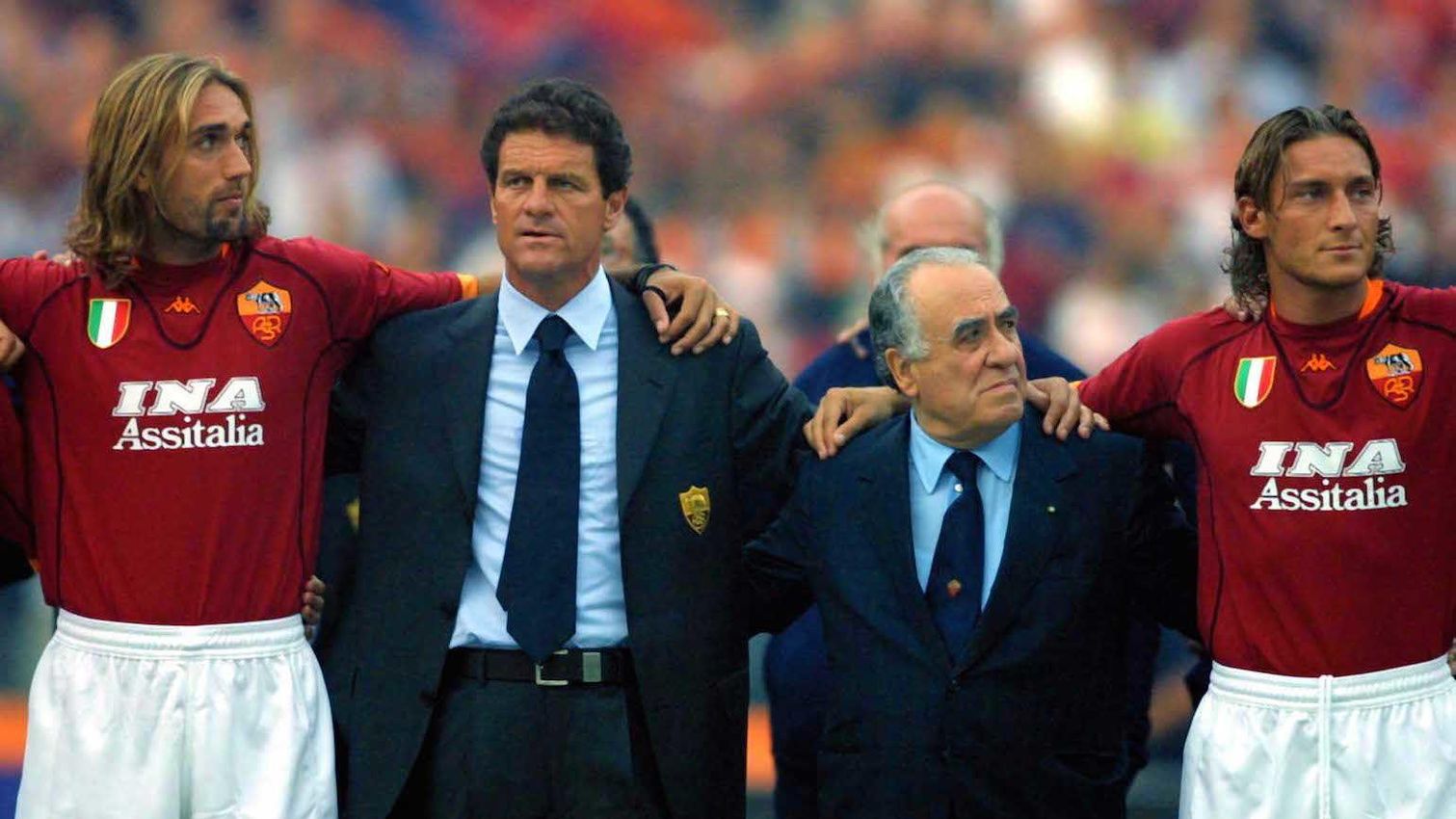
In 2000, after years of loyalty, Batistuta finally left Fiorentina. AS Roma signed him for €36 million, making him the most expensive player over the age of 30 at the time.
It paid off immediately.
Batistuta scored 21 goals in his debut season, leading Roma to the 2000–01 Serie A title—a long-awaited triumph.
“Winning with Roma was very special, but Florence will always be my home,” he said.
Decline, Pain, and the End
However, time is unstoppable.
After playing for Roma and a brief loan spell at Inter Milan, Batistuta moved to Qatar, joining Al-Arabi SC. Even in his declining form, he scored 25 goals in his first season.
However, his body began to weaken.
Years of explosive movement eventually took their toll. A severe ankle injury required surgery, ultimately forcing his retirement in March 2005.
He finished his career with 299 goals for club and country.
Argentina’s Legacy: More Than Just Numbers
With 54 international goals, Batistuta once held Argentina’s all-time leading goalscorer record before Messi surpassed him.
He won:
Copa América (1991, 1993)
FIFA Confederations Cup (1992)
More importantly, he earned respect.
Diego Maradona once said:
“Batistuta is the best striker I have ever seen.”
Why Batistuta Still Matters
Batistuta wasn’t just a goal scorer.
He was:
a symbol of loyalty
a master of striking fundamentals
a player who chose passion over easy success
In an era of constant transfers and quick success, his story feels rare.