
Jose Mourinho turned a broken Porto into Champions League winners in just 2 seasons. Here’s the untold story of football’s greatest underdog miracle.
Twenty years. That’s how long European football has waited for another Porto — a club from outside the continent’s elite five leagues to lift the Champions League. It hasn’t happened since. And it probably never will again.
The year was 2004. The city was Porto. And the man who made the impossible happen was a coach that barely anyone outside Portugal had heard of just 24 months earlier.
Kvaratskhelia’s Stunning Rise: From Rejected Winger to PSG’s Treble-Winner in Europe
The Collapse That Started Everything
Before Jose Mourinho arrived at FC Porto, the club was in freefall.
After winning five consecutive Portuguese league titles, Porto stumbled badly in the 2001-02 season, failing to secure a third straight crown. Attendances at Estádio do Dragão dropped to their lowest point in years. The manager was fired. The board panicked.
What happened next defied logic. Rather than chasing a big-name replacement, Porto’s hierarchy turned to a 39-year-old coach who had just spent a season rescuing União de Leira — a small, budget-strapped club sitting in the lower half of the Portuguese top flight. His name: José Mourinho.
From Translator to Tactician: The Mourinho Origin Story
Long before Mourinho became the Special One, he was simply the son of a football manager — a boy who watched his father get sacked on Christmas Eve when José was just nine years old.
That moment changed everything. By the time he was 12, young José was preparing his father’s scouting reports. He played briefly — including reportedly scoring a hat-trick in the Portuguese Cup — but both father and son quickly agreed: his future was on the touchline, not the pitch.
After studying sports science and football methodology, Mourinho eventually landed a role at Sporting CP as a translator for Bobby Robson. It didn’t take long for the legendary English manager to recognize what he had.
PSG’s Deadly Trio Doué, Dembélé & Kvaratskhelia: The Untold Story Behind Their Rise
“He was one of the most brilliant football minds I had ever encountered,” Robson reportedly told colleagues.
Within months, Mourinho was promoted to assistant coach. Over the next seven years, he shadowed Robson through Sporting, Porto, and Barcelona, before serving under Louis van Gaal. He absorbed everything — and waited.
The José Mourinho Porto Era Begins: A Promise to the Fans
When Mourinho walked through Porto’s doors in 2002, he wasted no time setting the tone.
“I know we have had a bad team for more than two generations,” he told supporters directly, before adding the line that would define his tenure: “I am convinced that next year we will be champions.”
He wasn’t bluffing.
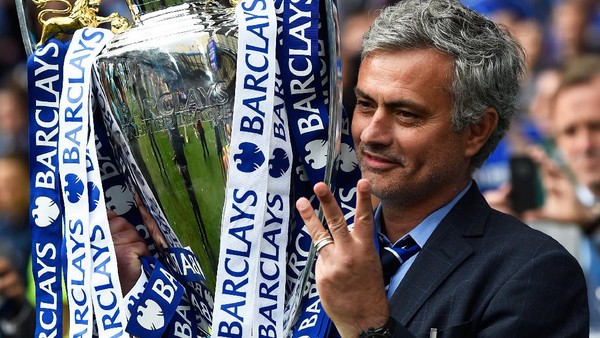
Mourinho immediately restructured the squad with surgical precision. Rather than splashing cash on established names, he focused on players who had been overlooked, discarded, or undervalued — a philosophy he had refined during his time at Leira.
Out went Jorge Costa’s old guard and a series of underperforming squad players. In came Nuno Espírito Santo from Deportivo La Coruña (€3m), midfielder Maniche on a steal from Real Sociedad (€2.4m), and a cluster of bargain recruits from smaller Portuguese clubs: Marco Ferreira, Paulo Ferreira, Nuno Valente, Tiago, César Peixoto.
Perhaps most tellingly, Mourinho kept a personal promise he had made at Leira to striker Hélder Postiga — “Wherever I go, you come with me” — signing him for just €1.2m. Postiga repaid his faith with 12 extraordinary goals that first season.
Paul Pogba Nightmare: How a World Cup Hero Lost His Crown After Injuries, Pressure and Scandal
He also secured three free transfers of enormous value: Maniche (who had refused to sign with agent José Veiga and was effectively frozen out at Benfica), former Porto captain Jorge Costa (released by the previous manager), and Boavista captain Pedro Emanuel.
When the accounting was complete, Porto had turned a net profit of €6.8 million on the transfer window — and had a team capable of winning titles.
Year One: Liga and UEFA Cup Glory
The transformation was immediate and stunning.
Mourinho rebuilt not just the tactics — he rebuilt the culture. Training sessions became meticulously scientific, planned to the last detail. The team’s spirit, by all accounts, was unlike anything Porto had seen before.
“He was more than a coach. He was our reference point,” one player from that squad later reflected.
Porto didn’t just win the Portuguese league that season — they dominated it, recording the highest points total in the league’s history. They also captured the UEFA Cup, defeating Lazio and Celtic along the way.
Yet the most extraordinary chapter was still to come.
The Champions League Campaign: 34 Games Without Defeat
Going into the 2003-04 Champions League, Mourinho made the pitch that changed everything. With players fielding interest from bigger clubs, he gathered them together and asked them to believe in something that seemed impossible.
Gabriel Batistuta: The Wild Striker Who Chose Loyalty Over Glory — and Still Became a Legend
“The best investment,” he would later say, “is keeping your own players.”
They stayed. And what followed was arguably the most captivating Champions League run of the modern era.
Porto started in the toughest possible way — a draw against Partizan, then a 3-1 loss to the Galácticos of Real Madrid — sitting bottom of their group after two games. But Mourinho’s personality kept the dressing room calm and focused.
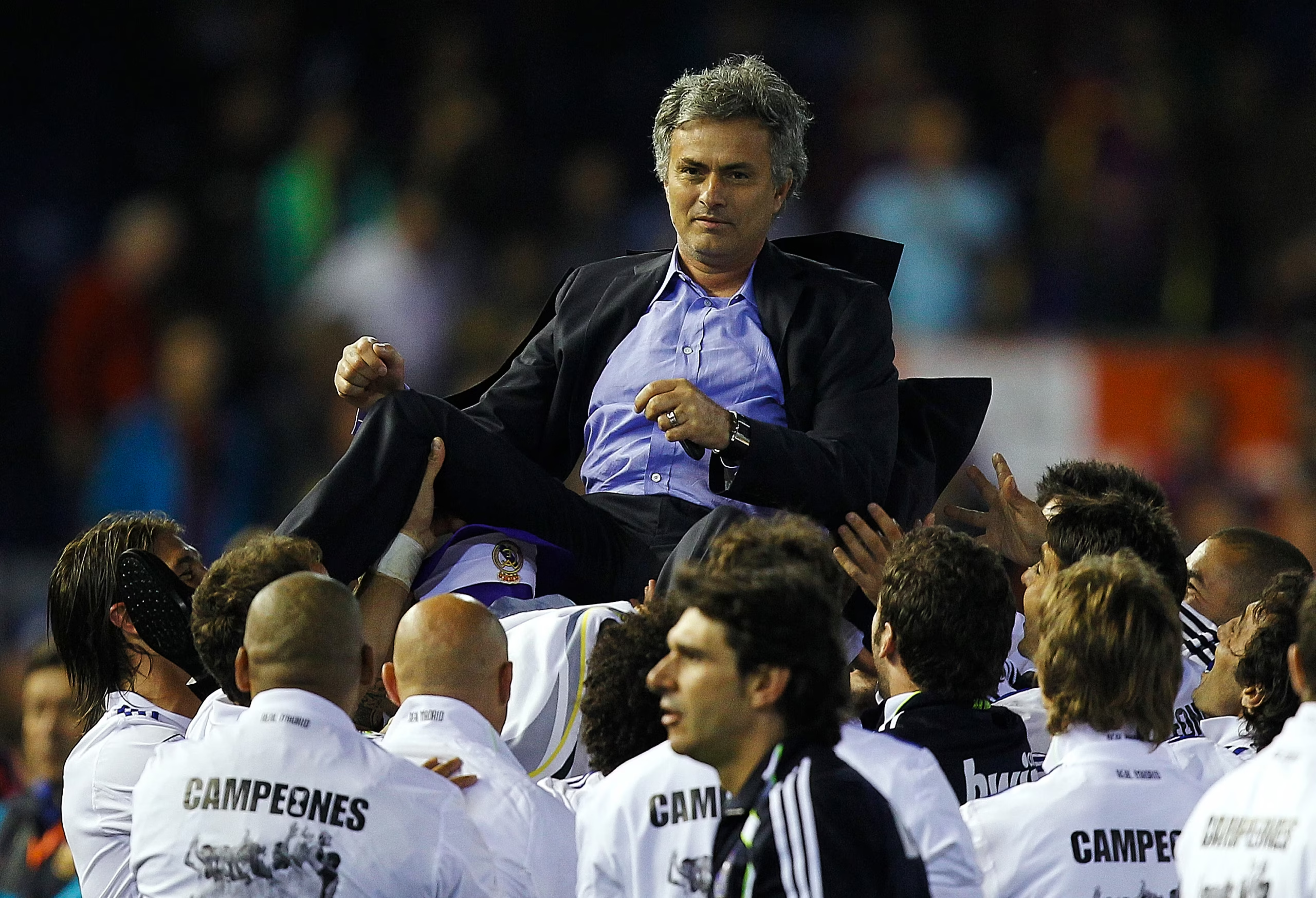
What followed was a run of 34 consecutive games without defeat across all competitions.
They eliminated Marseille (who had a young Didier Drogba in their ranks), then faced the ultimate test: a two-legged tie against Manchester United.
Porto won the first leg 2-1, with Benny McCarthy scoring twice. At Old Trafford, trailing on away goals with minutes remaining, Mourinho brought on free-kick specialist Ricardo Fernandes. At the death, the ball broke to Costinha after a save — and Porto were through.
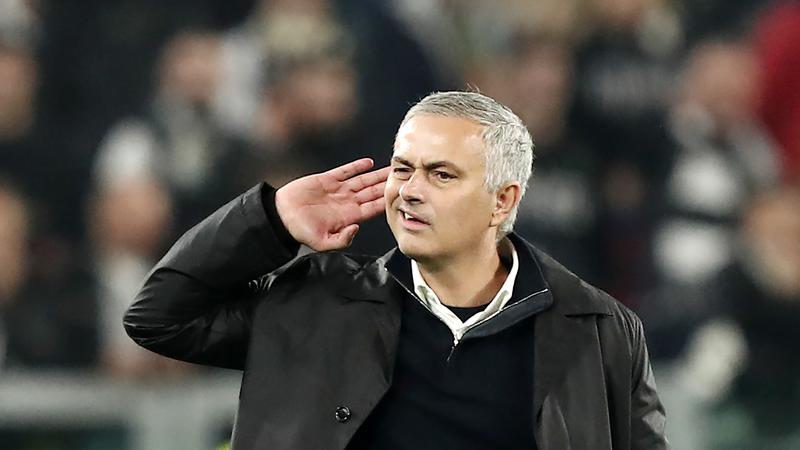
Mourinho’s reaction on the touchline became one of football’s iconic images.
Bernardo Silva’s Shocking Departure: The Silent Machine Behind Manchester City Finally Says Goodbye After 9 Years
The Final: 3-0 and History Made
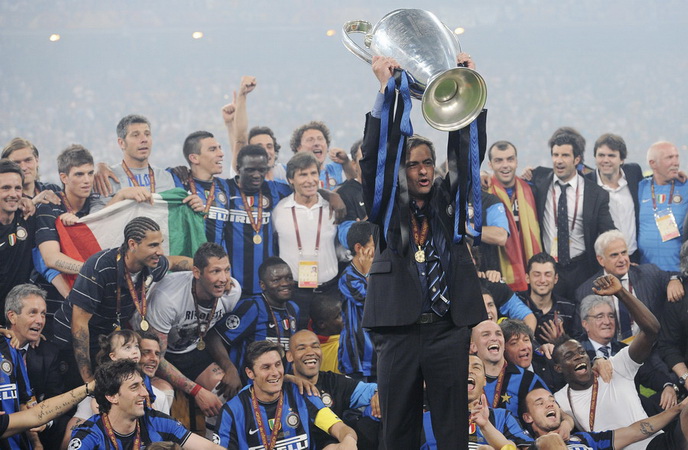
Monaco stood between Porto and immortality in the Gelsenkirchen final. A strong Monaco side — featuring Evra, Morientes, Giuly, and manager Didier Deschamps — had eliminated both Real Madrid and Chelsea en route to the final.
But Porto were simply on another level that night.
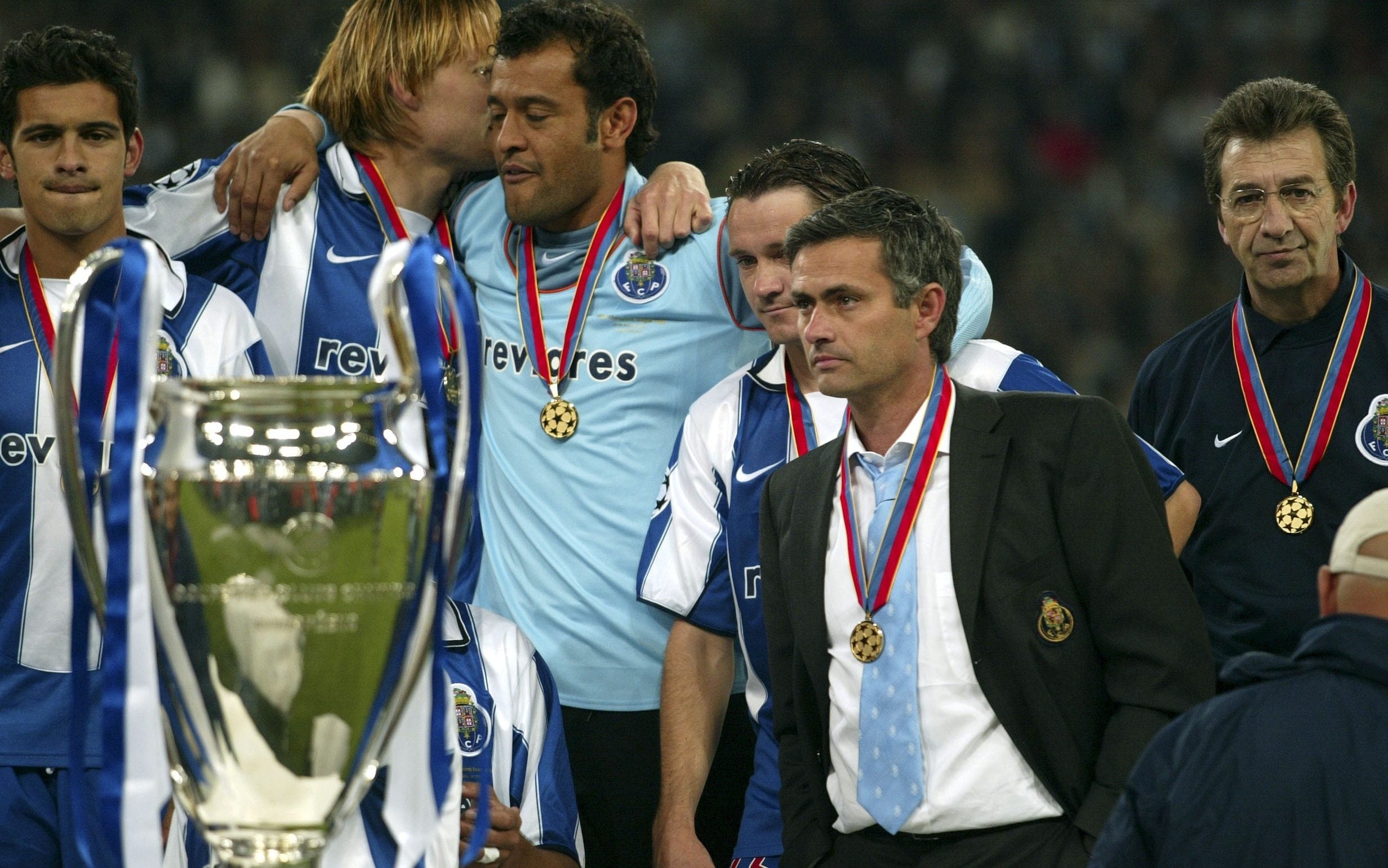
Nineteen-year-old Carlos Alberto opened the scoring to become the youngest ever Champions League final goalscorer. Deco and Dmitri Alenichev sealed it. Final score: 3-0.
When asked about his masterpiece afterwards, Mourinho deflected the praise with characteristic self-awareness.
“I don’t like to call it my work,” he said quietly. “It is our work.”
The numbers backed him up. Benny McCarthy was Porto’s top scorer in the tournament — but 18 other players had also found the net. This was a collective achievement, engineered from the ground up.
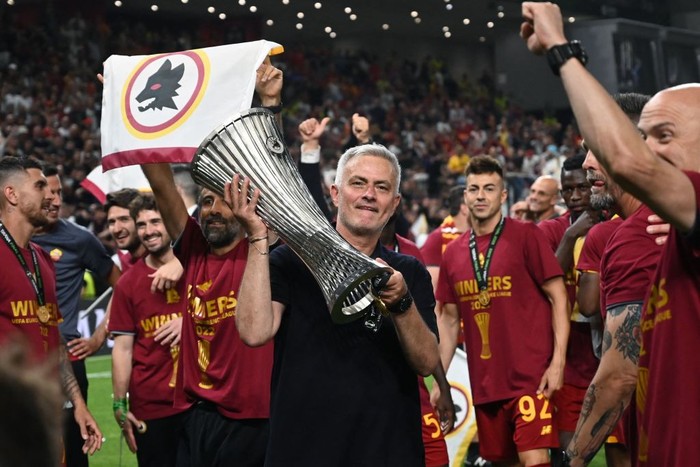
The Legacy: €130 Million and a Generation of Stars
The full scale of what Mourinho built at Porto only becomes clear in hindsight.
Paulo Ferreira, Ricardo Carvalho, and Bosingwa all moved to Chelsea for fees of €20m, €30m, and €21m respectively — and won another Champions League. Carvalho went on to become widely regarded as Portugal’s greatest-ever centre-back. Deco finished second in the Ballon d’Or and was sold to Barcelona for €21m plus Quaresma. Maniche moved to Dynamo Moscow for €16m before stints at Chelsea, Atlético Madrid, and Inter Milan.
Michael Olise’s Explosion: Bayern’s €60 Million “Steal” That Liverpool Desperately Wanted But Couldn’t Get
In total, Porto generated over €130 million from player sales in the years following their triumph — without ever spending more than €10 million in a single transfer window.
It remains, to this day, the last time a club outside Europe’s top five leagues has won the Champions League.
Twenty years later, no one has come close to repeating it.