
Real Madrid vs. Bayern Munich ended in chaos as Kompany’s tactics dominated. Discover how Bayern dismantled Madrid in a thrilling 7-goal match.
Real Madrid vs. Bayern Munich delivered a night of chaos, brilliance, and brutal tactical revelations as Bayern Munich defeated Real Madrid 4-3 in the second leg of their UEFA Champions League quarter-final, securing a 6-4 aggregate victory.
Played under immense pressure, the match revealed more than just goals—it exposed structural weaknesses and tactical advantages. Bayern didn’t just win; they systematically dismantled Madrid’s defensive shape.
From the opening minutes, Bayern implemented a well-planned structure. As highlighted by MARCA, Vincent Kompany’s side employed an inverted double wing-back system, which later evolved into a 3+1 formation with Joshua Kimmich as the central pivot. This allowed Bayern to control the tempo of the game while stretching Madrid’s defense.
“We wanted to manipulate their structure, create space, and attack it with precision,” said a Bayern staff member after the match.
Tactical Analysis: How Bayern Destroyed Real Madrid
Bayern’s approach was simple in theory—but deadly in execution.
They employed a back-and-forth game, constantly shifting the ball from left to right to stretch Madrid’s compact 4-4-2 formation. As soon as gaps appeared, Bayern attacked the half-field spaces.
Michael Olise was a key weapon on the right flank, repeatedly isolated in 1-on-1 situations. Every time Madrid shifted defensively, Bayern passed the ball back through Kimmich—resetting the attack and forcing Madrid to chase shadows.
Meanwhile, Madrid relied heavily on transitions.
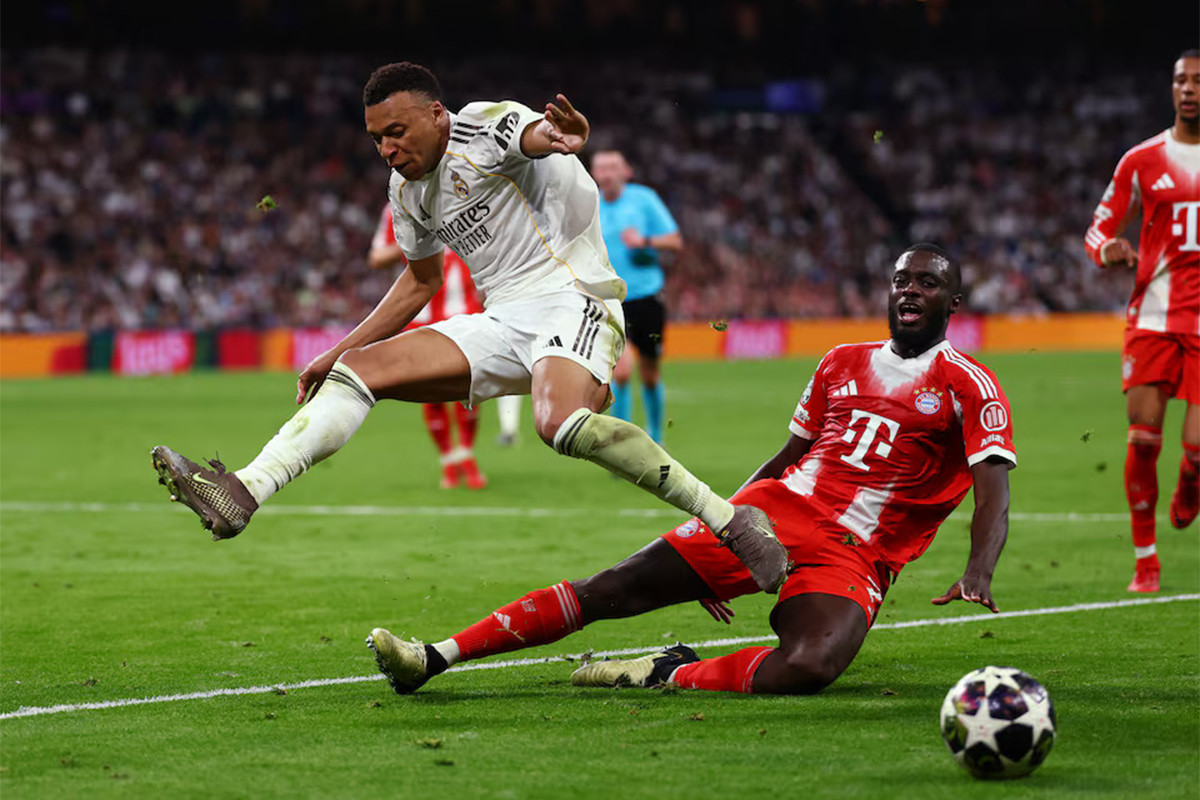
Vinícius Jr. and Kylian Mbappé remained on the wings, creating space in the middle for Jude Bellingham and Brahim Díaz to exploit. Their attacking pattern centered on diagonal movements, aiming to penetrate Bayern’s defensive line.
It worked—but only temporarily.
Turning Point: Red Card and the Collapse of Structure
The balance of the game changed drastically when Eduardo Camavinga received a red card. From then on, Madrid’s structure collapsed.
With fewer players in midfield, Bayern increasingly controlled the game. Space opened up, and Bayern exploited it mercilessly.
“After the red card, we lost control. They punished every mistake,” admitted a Real Madrid player.
View this post on Instagram
Bayern’s third and fourth goals illustrate this perfectly. Madrid’s midfield failed to track their opponents’ movements, while their defense was too loose—creating shooting lanes and counter-attacking opportunities.
Key Moments That Decided the Match
Arda Güler capitalized on Manuel Neuer’s mistake to give Madrid hope
Bayern responded with structured attacking play and set pieces
Constant substitutions exposed Madrid’s defensive gaps
Olise dominated the right flank in repeated isolation scenarios
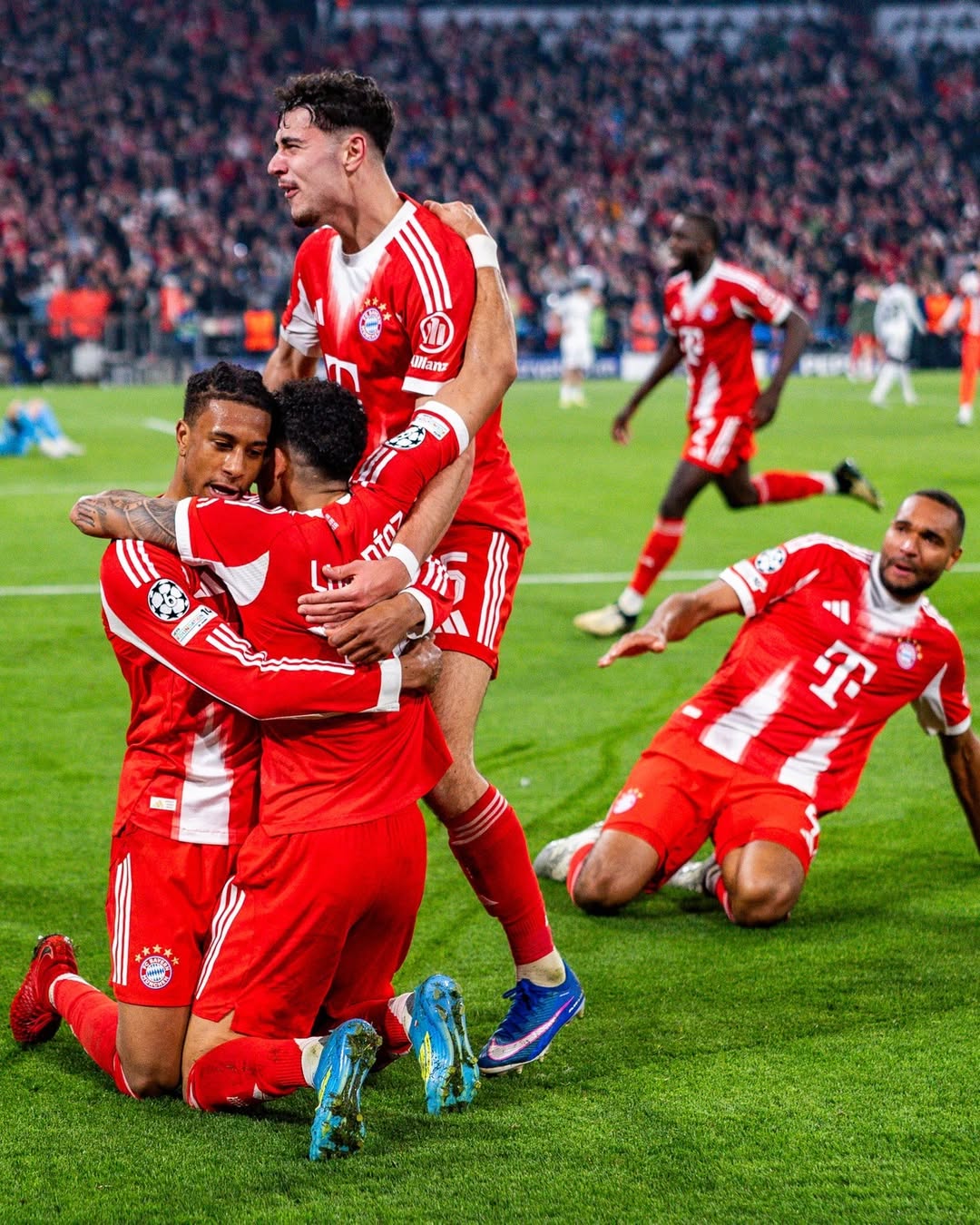
Bayern’s final goal came from a deadly counterattack that exploited Madrid’s imbalance
Why Bayern Munich Deserved to Win
This wasn’t luck. This was design.
Kompany maintained the consistency from the first leg, but refined the structure into a clearer 3+1 system. Bayern deployed six players into the attacking zone, breaking down Madrid’s defensive block.
Madrid, on the other hand, demonstrated:
weak defensive compactness
lack of support in midfield
over-reliance on individual brilliance