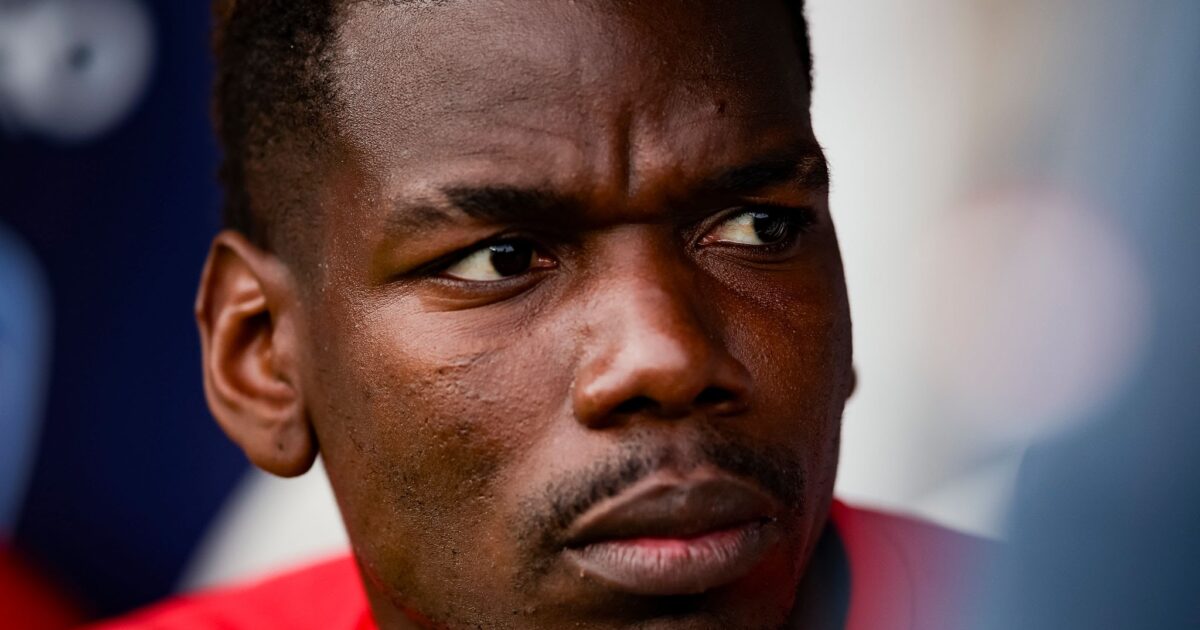

Paul Pogba nightmare story: from World Cup hero to career crisis. Injuries, pressure and doping scandal changed everything.
Paul Pogba nightmare is one of football’s most dramatic modern stories. He had everything a superstar midfielder could want: elite talent, global fame, trophies, charisma, and the trust of France. Yet what looked like the rise of a generational icon slowly turned into a painful collapse shaped by pressure, injuries, conflict, and controversy.
For many fans, Pogba was never just another footballer. He was style, power, creativity, and unpredictability in one package. At his peak, he could dominate matches with passing range, physical presence, long shots, and moments of brilliance few midfielders could produce.
But in football, talent alone rarely guarantees a happy ending.
Early Life: Where the Paul Pogba Dream Began
Paul Pogba was born on March 15, 1993, in Lagny-sur-Marne, France, to Guinean parents. Raised in a family that valued discipline and ambition, Pogba entered football at a young age and quickly stood out.
He started playing locally before progressing through youth systems that recognized his unusual blend of size and technical quality. Coaches saw leadership early. Even as a teenager, Pogba carried himself like someone destined for the top.
That potential soon attracted one of the biggest clubs in the world: Manchester United.
Manchester United Move and the First Big Turning Point
In 2009, Pogba joined Manchester United’s academy. It was seen as a major coup. Sir Alex Ferguson believed the French teenager had the tools to become a future star.
Pogba impressed in youth football and helped United’s young side win silverware. But by 2012, frustration had grown. First-team opportunities were limited, and Pogba felt his pathway was blocked.
Rather than wait, he made a bold decision.
He rejected a new contract and left for Juventus on a free transfer. It shocked English football at the time, but it would soon look like a masterstroke.
Sir Alex Ferguson once described the exit bluntly: “He disrespected us.”
That quote captured how emotional the split became.
Juventus Years: Paul Pogba Became a Superstar
If Manchester was about potential, Turin was about proof.
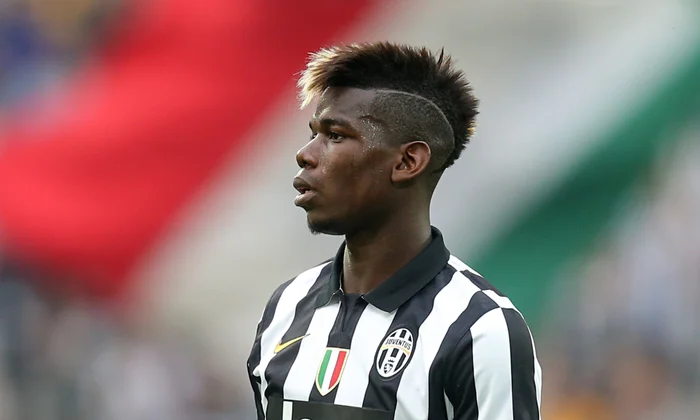
At Juventus, Pogba developed into one of Europe’s best midfielders. Between 2012 and 2016, he won four straight Serie A titles and multiple domestic cups. He played with confidence, freedom, and swagger.
He was not restricted. He was unleashed.
At Juventus, Pogba could dribble past markers, spray passes across the pitch, score from distance, and physically overpower opponents. He became the symbol of the modern midfielder.
Europe’s elite lined up for him. Then Manchester United came back.
World Record Return Brought Massive Pressure
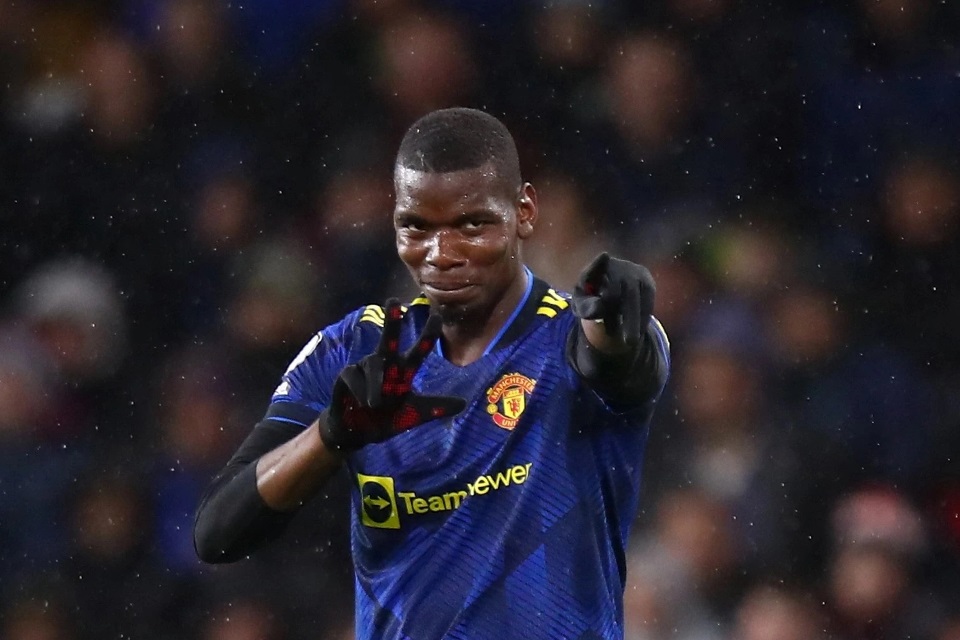
In 2016, Manchester United re-signed Pogba in a then world-record transfer. The move was supposed to be the final step: a matured superstar returning to lead the club back to glory.
Instead, the fee became a burden.
Every performance was judged against the price tag. Every mistake became a headline. Every average match triggered criticism.
Still, Pogba helped United win the Europa League and League Cup in his first season back. On paper, it was a strong return.
But the environment around him was unstable.
Mourinho Conflict Hurt Momentum
One of the biggest problems during Pogba’s second United spell was his relationship with manager Jose Mourinho.
Mourinho demanded tactical discipline and defensive responsibility. Pogba often looked better when given freedom to attack and create. Their football ideas did not always align.
Public criticism made matters worse.
Mourinho once said of Pogba’s inconsistency: “He was not the best player, but he was the worst player.”
That type of comment deepened tension. Dressing-room friction followed. By 2018, their conflict had become one of football’s biggest stories.
Eventually Mourinho left, but the damage to Pogba’s United legacy was already done.
Paul Pogba Peak: France World Cup Hero
While club football was turbulent, international football showed Pogba at his best.
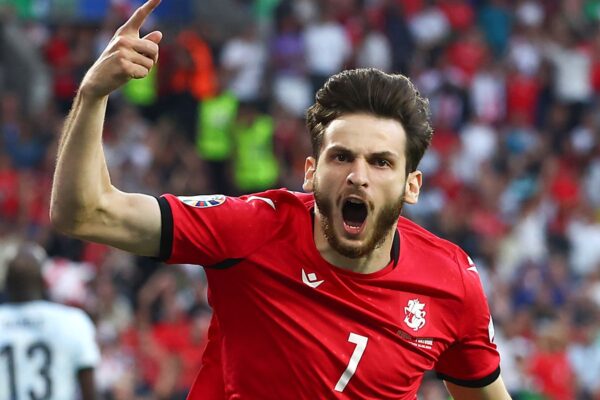
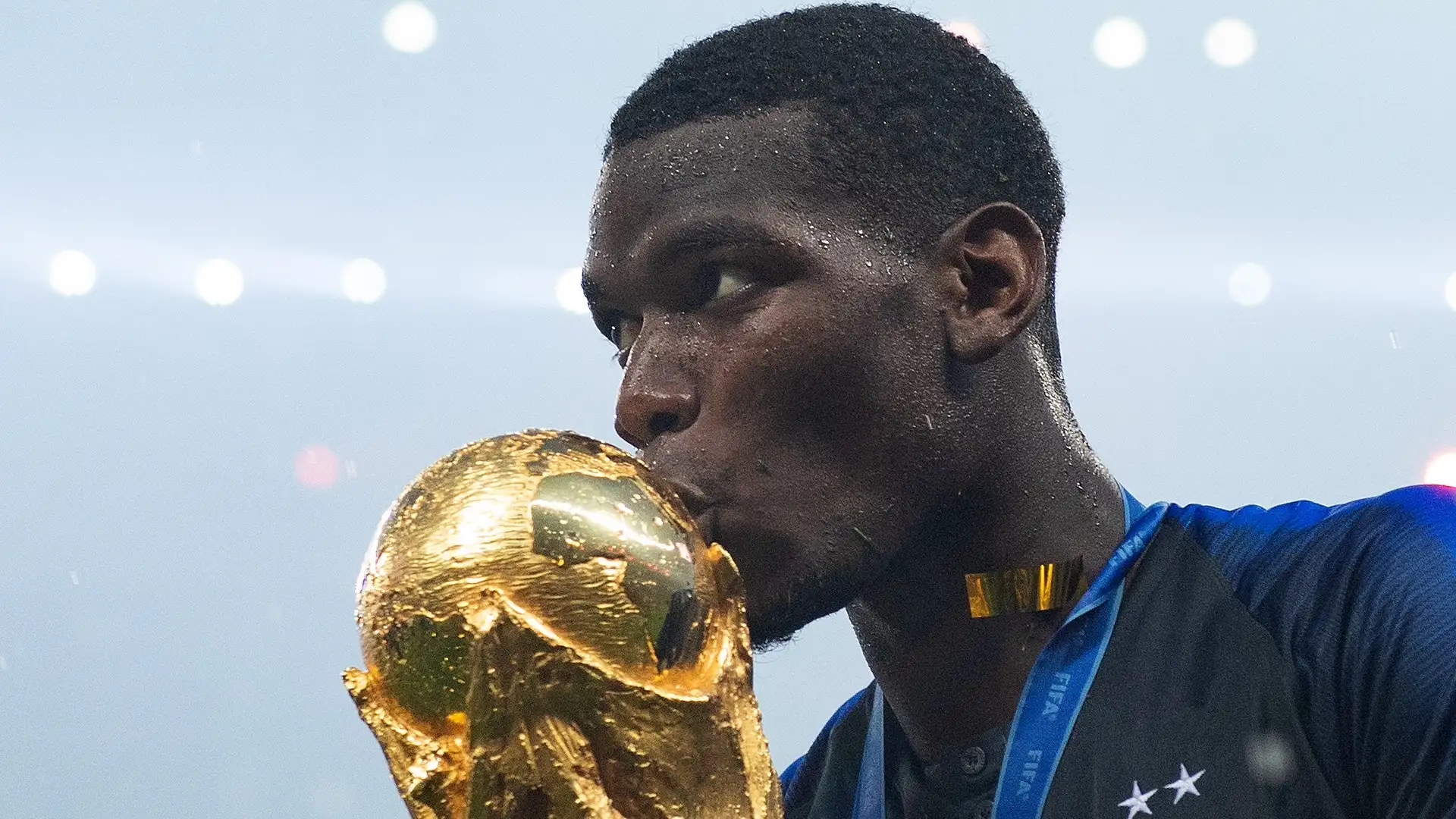
At the 2018 FIFA World Cup in Russia, Pogba was vital for France. He balanced the midfield, linked defense to attack, controlled tempo, and delivered leadership.
He scored in the final against Croatia as France won the trophy.
Manager Didier Deschamps praised him repeatedly during that era, saying: “Paul is a leader in this group.”
That tournament reminded the world what Pogba could be in the right system: focused, trusted, and decisive.
Many believed his prime years were only beginning.
They were wrong.
Injuries Destroyed Consistency
After 2018, Pogba’s body began to fail him.
Recurring problems with ankles, hamstrings, thighs, knees, and muscles disrupted rhythm and confidence. Instead of building momentum, he spent long periods recovering.
For a player who relied on power, mobility, balance, and explosiveness, repeated injuries were devastating.
He could still produce flashes of brilliance, but not sustain them.
This became the hidden turning point of the Paul Pogba nightmare story. Public criticism often focused on form, but physical decline was a major cause.
Return to Juventus Became Another Disaster
In 2022, Pogba returned to Juventus hoping to restart his career.
Instead, injuries continued. He missed long stretches and struggled to contribute regularly. What should have been a fresh chapter quickly became another setback.
Then came the biggest blow of all.
Doping Case Changed Everything
Pogba tested positive in Italy, leading to a major anti-doping case that damaged his reputation and career.
He denied intentional wrongdoing and publicly defended himself.
Pogba said: “I would never knowingly or deliberately take supplements that violate anti-doping regulations.”
Regardless of intent, the case brought severe consequences. A player once considered among the world’s best midfielders suddenly faced uncertainty over whether he would ever return at the highest level.
For many supporters, it was the moment the dream fully collapsed.