
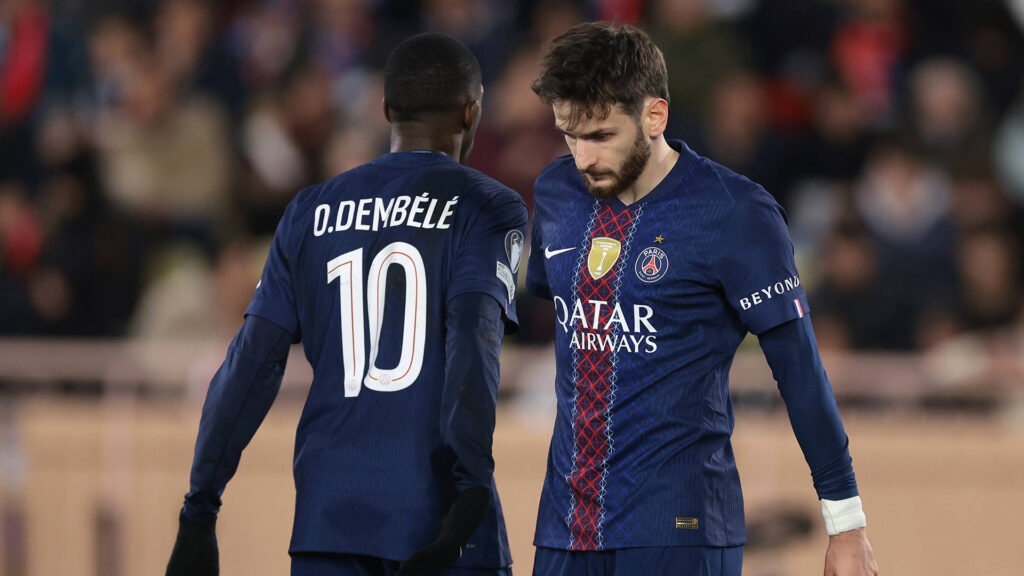

Discover the untold story of how Luis Enrique forged PSG’s deadly trio of Doué, Dembélé & Kvara — a revolution that nearly collapsed before it even began.
For a brief, dazzling moment in 2022, Paris Saint-Germain assembled what appeared to be the most terrifying front three in football history. Lionel Messi. Kylian Mbappé. Neymar. Three Ballon d’Or winners on the same pitch, in the same shirt.
They flopped spectacularly.
Not a single Champions League final. Not even a semifinal appearance during that era. The so-called “MNM” trio became a cautionary tale — proof that stacking individual brilliance without tactical coherence produces nothing but expensive chaos.
Read more: Barcelona Defeats Bayern in Women’s Champions League Semifinal
That humbling reality forced PSG’s hierarchy into a reckoning. And from that reckoning emerged one of the most quietly brilliant squad rebuilds in modern European football.
A Revolution Nobody Asked For
PSG’s management made a decision that stunned the football world: sell the stars. All of them. Neymar departed. Messi left. And eventually, the jewel of the crown — Mbappé — moved to Real Madrid.
In their place, the club handed the keys to Luis Enrique, a coach with a reputation for building cohesive, high-intensity systems rather than managing egos. Alongside him came Luis Campos, PSG’s sporting advisor, tasked with sourcing players who fit the system — not the other way around.
Read more : Bayern Munich Monitoring Kai Havertz’s Situation at Arsenal
“We no longer want a bling-bling squad,” club sources told French media at the time. The message was clear: trophies over glamour.
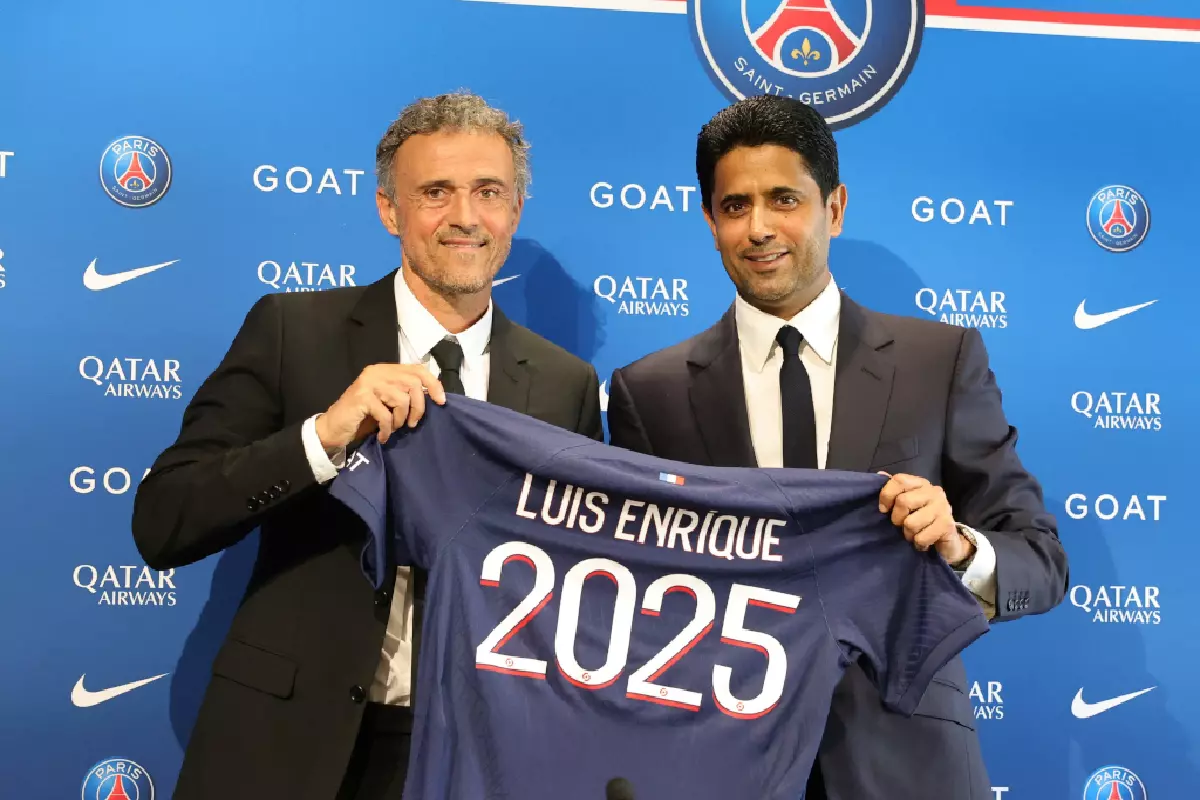
Dembélé: The Accidental Signing
The first piece of the new puzzle arrived through a twist of administrative fate.
Enrique’s original target for the right wing was Hakim Ziyech, Chelsea’s Moroccan winger. According to Sky Sports, Ziyech had already undergone his medical ahead of a loan move to Paris in January 2023. But Chelsea repeatedly submitted incorrect transfer documentation, and the deal collapsed.
That bureaucratic mishap forced Enrique and Campos to pivot — and pivot they did, toward Ousmane Dembélé, who arrived from Barcelona for approximately €50.4 million in the summer of 2023.
Parisian supporters were skeptical. Dembélé carried a reputation for fragility — injury-prone, inconsistent, and mentally questioned during his troubled years at Camp Nou. In his first PSG season, with Mbappé still dominating the dressing room hierarchy, Dembélé managed just six goals and largely operated as a supporting act.
Then Mbappé left. And everything changed.
Freed from the shadow of PSG’s former talisman, Dembélé chose not to assume the superstar mantle. Instead, he embraced the collective. He ran. He pressed. He led.
Doué: A €50M Gamble on a Teenager
With Dembélé’s evolution underway, Enrique sought a young, hungry partner. Rather than a proven name, PSG signed Désiré Doué — a 19-year-old from Rennes — for around €50 million.
The reaction in Paris was almost identical to the Dembélé signing: confusion, then doubt. At Rennes, Doué had contributed just four goals and six assists. Why spend €50 million on a teenager with those numbers?
Because Enrique saw something the stats didn’t show. He identified Doué’s exceptional pressing instinct and positional intelligence — qualities that would allow Achraf Hakimi to bomb forward relentlessly from right back. Doué, deployed on the right wing, would tuck inside, dragging defenders and creating the overlapping corridors that PSG’s fullbacks now exploit so ruthlessly.
Kvaratskhelia: The Final, Fractious Piece
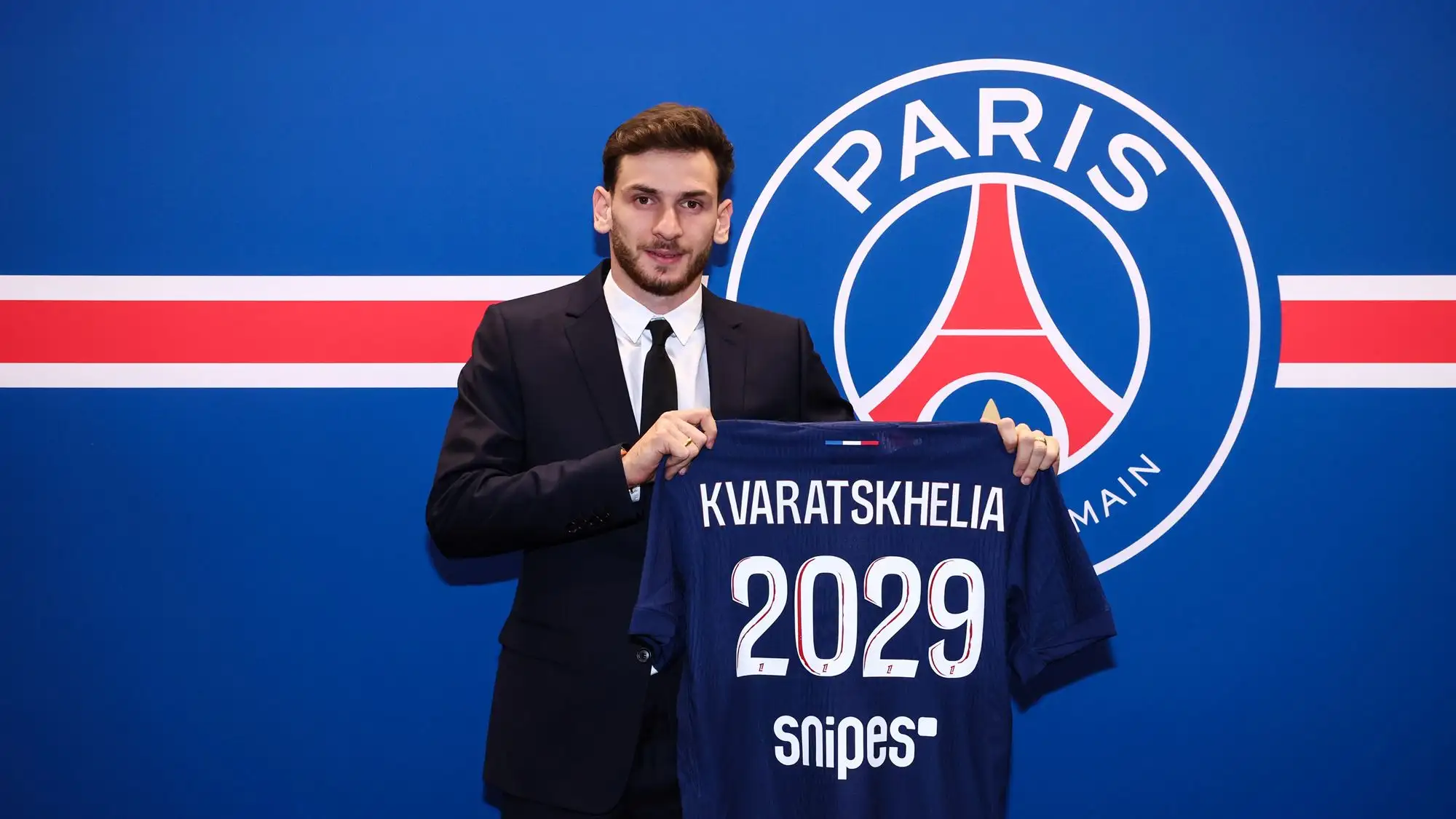
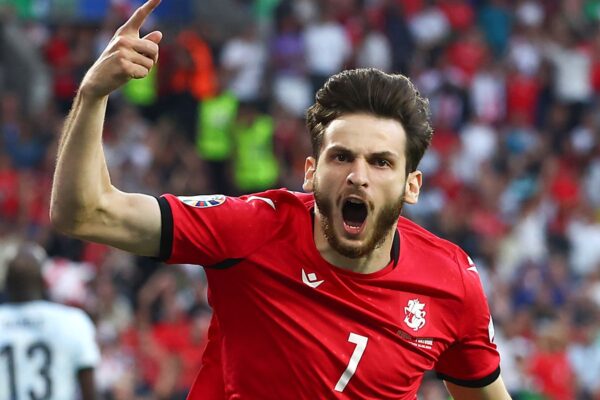
In January 2025, PSG completed the trio with their most expensive purchase yet: Khvicha Kvaratskhelia, signed from Napoli for approximately €70 million.
The Georgian winger arrived as a proven match-winner — a Champions League-era performer who had helped Napoli win Serie A. But his early days in Paris were rocky.
Kvaratskhelia’s individualistic tendencies clashed with PSG’s collective identity. Dembélé, by then the unspoken leader of the forward line, reportedly called him out directly. According to Tribal Football, Kvaratskhelia felt isolated in the dressing room during this period.
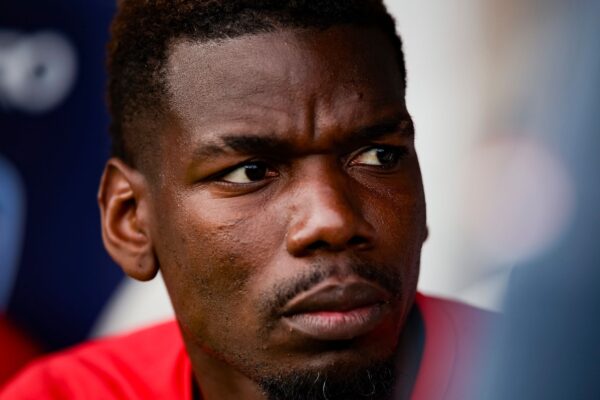
Read more: Paul Pogba Nightmare: How a World Cup Hero Lost His Crown After Injuries, Pressure and Scandal
He could have sulked. Instead, he listened.
“I just enjoy watching him,” Kvaratskhelia said of Dembélé in a later interview. “When I play with him, it honestly frightens me how good he is. He creates moments where I can shoot and score.”
That humility proved transformative. From friction came trust. From trust came chemistry.
Enrique’s Tactical Madness That Changed Everything
Building a cohesive front three from three players with complicated histories, clashing personalities, and mismatched positional profiles is not a job for the faint-hearted.
Enrique’s boldest call? Playing Dembélé as a false nine.
First trialled in a Ligue 1 fixture against Marseille in October 2024, the move defied conventional logic. Dembélé — slight, pacey, never a traditional centre-forward — was deployed centrally in a 4-3-3 structure. His role: not just to score, but to drag centre-backs out of position, press the defensive line, and create space for Doué and Kvaratskhelia to exploit on either flank.
As BBC Sport noted, the fluidity of PSG’s attacking structure became the defining feature of this new era. Enrique gave his forwards the license to rotate positions organically. Doué drifts into midfield. Kvaratskhelia exchanges roles with left-back Nuno Mendes. Hakimi, liberated by Doué’s intelligent movement, becomes an attacking weapon that defences simply cannot plan for.
“The fluidity of Enrique’s system is one of the keys to the trio’s success,” BBC analysts observed during PSG’s Champions League run.
Read more: Gabriel Batistuta: The Wild Striker Who Chose Loyalty Over Glory — and Still Became a Legend
The Trio That Conquered Europe
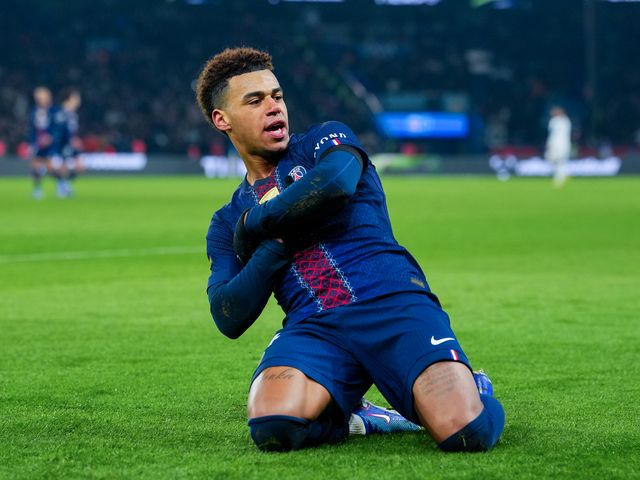
None of this was supposed to happen. Dembélé was not Enrique’s first choice. Doué was an unproven teenager. Kvaratskhelia nearly destroyed the dressing room chemistry before it even formed.
Yet here they stand — a front three that tore through Europe not on individual genius, but on collective ruthlessness. Direct play. Counter-pressing. Positional chaos that opponents simply cannot decipher.
PSG’s demolition of Bayern Munich in the Champions League semifinal confirmed what many had begun to suspect: this is not just a good team. This is a team built to last.
“They didn’t come to Paris to be famous,” one Parisian journalist wrote following the Bayern victory. “They came to be champions.”
With Luis Enrique’s cold-blooded vision guiding them, there is little reason to believe they will stop anytime soon.

2 Comments