
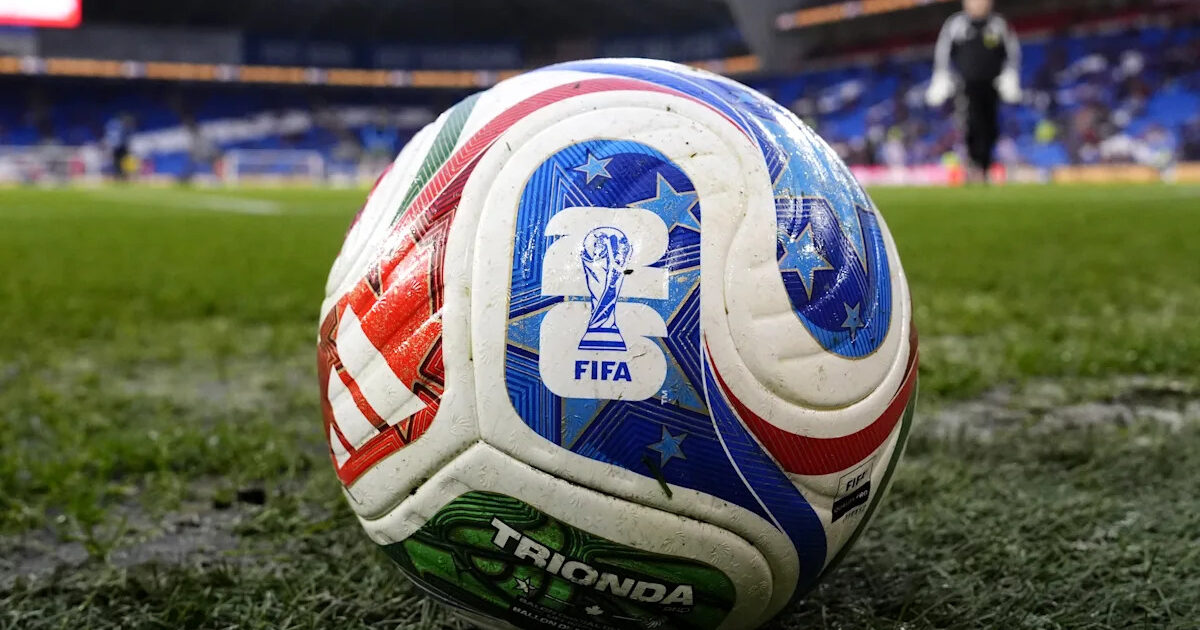

The 2026 World Cup begins on June 11, showcasing soccer in North America for over five weeks.
Major League Soccer commissioner Don Garber believes it will be “rocket fuel for our entire ecosystem.” The tournament occurs during a relatively quiet sports period, emphasizing soccer’s prominence.
Fans can expect at least one match each day for the first 27 days, with just five off-days after the Round of 16.
Fox Sports and Telemundo hold U.S. TV rights, promoting the World Cup as an event akin to the NCAA basketball tournament combined with the Super Bowl.
Soccer will be celebrated nationwide, with grocery displays, watch parties, and team jerseys visible in many communities.
However, there are concerns about growing negativity surrounding the World Cup impacting soccer’s growth.
High ticket prices, parking fees, and transportation costs are discouraging potential fans. Reports indicate tickets for the U.S. opener against Paraguay remain available.
Fans have expressed dissatisfaction over prime seats being relocated to less desirable areas.
Municipalities hosting matches are beginning to scrutinize FIFA-favorable contracts, similar to the experiences of Olympic cities.
Chicago declined to bid due to contract issues, while Washington was not selected because of stadium inadequacies.

Related Articles
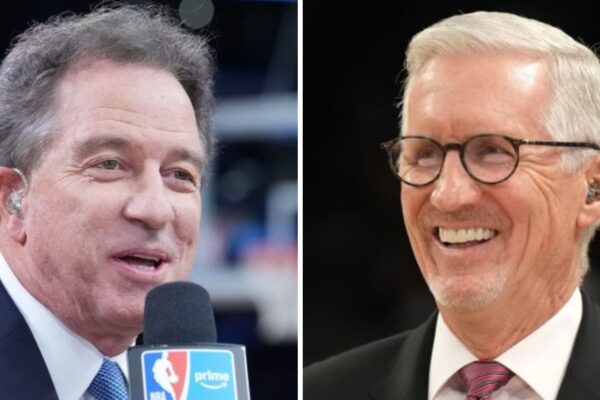
Kevin Harlan Shares Admiration for Mike Breen’s NBA Finals Calls
Kevin Harlan praises Mike Breen’s record of calling NBA Finals, expressing joy for his fellow announcer’s success.
Connecticut Sun Edges Seattle Storm 80-78 for First Win
The Connecticut Sun secured their first victory of the season by defeating the Seattle Storm 80-78 on May 20, 2026.
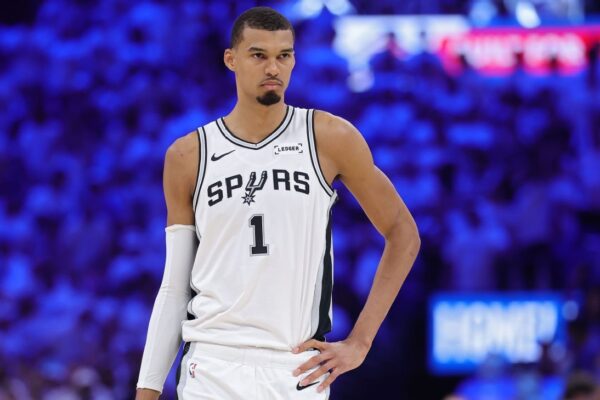
Victor Wembanyama Leads Spurs Past Thunder in Game 3
Victor Wembanyama shined as the San Antonio Spurs defeated the Oklahoma City Thunder in Game 3, showcasing his evolving talent.